The week in short: OpenAI had the week: a public GPT-5.6 family, a new full-duplex voice model, and a lawsuit from Apple.
Models
- GPT-5.6 (9 Jul): generally available in three tiers, Sol (flagship), Terra (balanced) and Luna (cheapest). Several outlets say it followed a limited, government-gated preview that began 26 Jun. OpenAI said access would widen across ChatGPT, Codex and the API within a day.
- Muse Spark 1.1 (9 Jul): Meta Superintelligence Labs released an upgrade aimed at agentic tasks, with a 1M-token context window, a public preview of the Meta Model API, and availability in the Meta AI app. Some roundups date it 10 Jul; Meta's own post is dated 9 Jul.
- Grok 4.5: xAI's release is reported in July, but sources give different dates (8, 10 and 16 Jul), so we do not date it.
Products
- ChatGPT Work (9 Jul): an agent launched alongside GPT-5.6 for long-running business tasks, producing files such as spreadsheets, slides and documents. It went first to Pro, Enterprise and Edu users.
Policy and legal
- Apple v. OpenAI (10 Jul): Apple sued OpenAI, its hardware chief Tang Tan and a former Apple engineer in federal court in San Jose, alleging trade-secret theft tied to OpenAI's hardware work. The claims are unproven, and OpenAI says it has no interest in other companies' trade secrets.
Voice
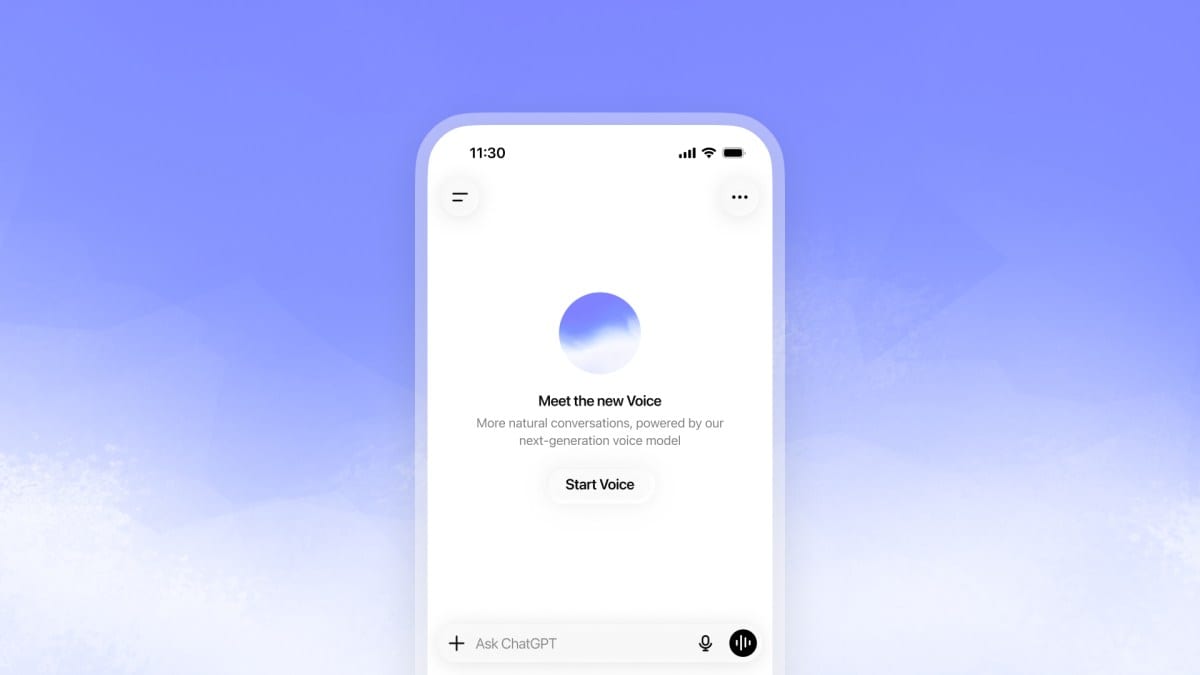
- GPT-Live (8 Jul): OpenAI's new full-duplex voice model, which can listen and speak at the same time, now powers ChatGPT Voice. GPT-Live-1 is the default for Go, Plus and Pro, and GPT-Live-1 mini for Free. It hands harder requests to a stronger model in the background. An API was described as coming, with no confirmed date. One roundup dates the launch to 9 Jul; TechCrunch and others say 8 Jul.
Why it matters
Voice is moving from turn-taking to simultaneous listening and speaking, which is what natural phone-style agents need. The Apple suit is a reminder that the hardware race around assistants is now being fought in court.